

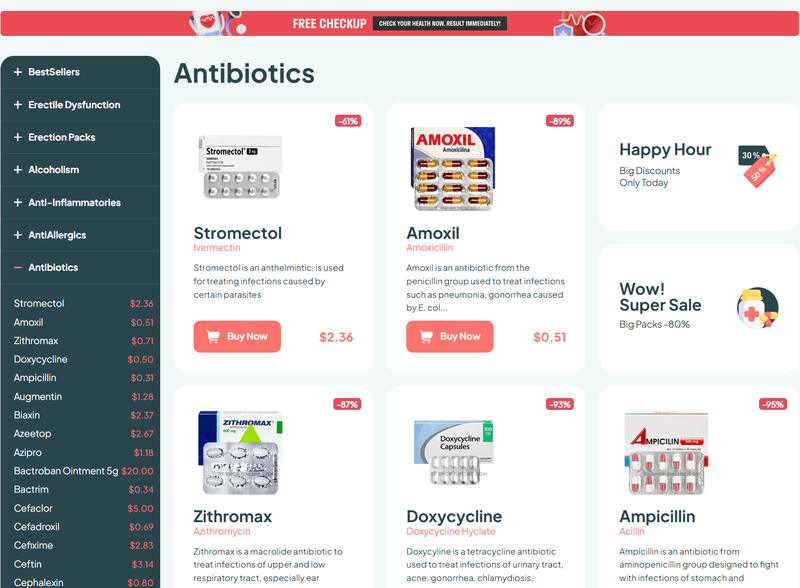
To Buy Doxycycline Online Visit Our Pharmacy ↓
However, recent research has shown that doxycycline may have even more benefits for our skin beyond its antibacterial properties
Overall, its versatility is evident across various medical conditions. However, it's important to note that not all antibiotics are created equal in terms of pricing. Doxycycline, a broad-spectrum tetracycline antibiotic, has emerged as a front-line warrior against a myriad of bacterial infections in pets. It is commonly prescribed for the treatment of bacterial infections, such as respiratory tract infections, urinary tract infections, and various skin infections. The medication should be taken with a full glass of water, and patients should avoid lying down for at least 10 minutes after taking the drug to prevent irritation of the esophagus. Moreover, doxycycline's antioxidant properties add another layer of defense against skin aging. In addition to these common side effects, doxycycline can also cause more serious adverse reactions, including allergic reactions, liver damage, and increased pressure in the skull.
Doxycycline's Role in Lyme Disease Treatment
We will explore how doxycycline works to treat acne, as well as its success rate in achieving clear skin. By taking doxycycline daily, travelers create a hostile environment for the parasites within their bodies. Doxycycline, a member of the tetracycline antibiotic family, exerts its effects by inhibiting bacterial protein synthesis. It is important to follow the recommendations of the prescribing doctor or the instructions on the medication label. One such option is amoxicillin, another antibiotic commonly prescribed for Lyme disease. Doxycycline has been shown to effectively treat severe acne by reducing inflammation and targeting the bacteria that cause breakouts. A diet low in sugar and dairy has been suggested to improve acne, as these can trigger hormonal fluctuations that exacerbate skin conditions.
Key Similarities between Doxycycline and Tetracycline
Additionally, doxycycline has been used to treat inflammatory illnesses and skin conditions because it can suppress the immune response that causes these conditions. Doxycycline, a member of the tetracycline family of antibiotics, has long been utilized in the fight against bacterial infections. Studies have shown that doxycycline can have significant impacts on gut bacteria, potentially leading to infections and other complications. The recommended dosage and duration of treatment vary depending on the specific STI being treated. To achieve optimal results when using doxycycline for acne, it's essential to follow your dermatologist's instructions meticulously. Additionally, doxycycline has a notorious reputation for causing photosensitivity, leading to heightened risk of sunburn, a factor that necessitates careful "Sig" adherence on the part of patients. Doxycycline is an antibiotic that belongs to the tetracycline family of drugs.
The Controversy Over Using Doxycycline to Treat COVID-19 Patients
The transformative effects of doxycycline extend beyond its direct impact on specific diseases. It is recommended for both early-stage and late-stage Lyme disease as it is effective in killing the bacteria responsible for causing the disease. Moreover, the ability of doxycycline to serve in both preventative and therapeutic capacities underscores its valuable role in the context of malaria, potentially reducing the burden on healthcare systems in endemic regions by decreasing the incidence of the disease. One popular alternative is Amoxicillin, a commonly prescribed antibiotic that is effective against a wide range of bacterial infections. 5) : When choosing between Doxycycline and Tetracycline, there are several factors to consider. Proponents of Doxycycline highlight its ability to treat the early stages of Lyme disease, providing relief to patients and preventing further complications. Pregnancy and breastfeeding women should consult their healthcare provider before using doxycycline, as it may harm the unborn baby or pass into breast milk.
As an antibiotic, Doxycycline works by reducing inflammation and killing bacteria that cause acne
In this article, we will explore the science behind doxycycline's effectiveness and its potential for new discoveries. It is essential to consult with a doctor before starting any treatment with doxycycline.- Allergies and sensitivities: Individuals with known allergies or sensitivities to tetracycline antibiotics should avoid using doxycycline. One of the benefits of using doxycycline for malaria prevention is its effectiveness. However, the exact dosing schedule can vary depending on the specific condition being treated and the prescriber's instructions. In addition to facial redness, rosacea can cause swollen, itchy or dry eyelids, burning or stinging sensation in the eyes, thickening of the skin, and visible blood vessels. Doxycycline is an antibiotic that operates as a powerful prophylactic agent against malaria, specifically targeting the Plasmodium parasites responsible for the disease. By eliminating the bacteria, Doxycycline is able to decrease the lifespan and reproductive capacity of the heartworms, ultimately reducing the chances of full-blown heartworm disease.
Doxycycline: a Versatile Antibiotic Beyond Bacterial Infections
These symptoms often subside as the body adjusts to the medication. Other possible side effects include skin rash, sun sensitivity, headache, and dizziness. Doxycycline is a versatile antibiotic, extensively used to treat a myriad of bacterial infections. Before taking doxycycline, it's important to consult with a healthcare provider to determine the appropriate dosage, especially if you have other underlying health conditions such as liver disease or allergies. If left untreated, malaria can rapidly become fatal, emphasizing the need for effective prevention measures for anyone venturing into high-risk areas. By hindering the propagation of Plasmodium—the culprit behind the disease—it functions as an effective prophylactic. Doxycycline is highly effective in preventing malaria because it targets the parasite that causes malaria at different stages of its life cycle.
Doxycycline's Dual Power: Prevention and Treatment
In the realm of malaria prevention, doxycycline stands out not only for its efficacy but also for its distinct profile when juxtaposed with other preventatives. Adhering strictly to sun protection measures, such as using high SPF sunscreens and wearing protective clothing, could potentially lead to a deficiency in this crucial vitamin if not monitored and managed carefully. Therefore, it is recommended to consult with a healthcare professional to determine which antibiotic is most suitable for your specific needs. Secondly, doxycycline must be taken as directed to be effective. It can be used to treat other skin conditions such as rosacea, an inflammatory skin disease that causes redness and visible blood vessels on the face. Doxycycline, typically known as an antibiotic, has gained attention for potential use as an anti-inflammatory drug against COVID-19. According to recent research, doxycycline may hold potential as a treatment for COVID-19.
Real Stories, Real Burns: Personal Experiences Shared.
Doxycycline stands out in the crowded antibiotic market, particularly when it comes to combating antibiotic resistance. For many individuals struggling with persistent acne or stubborn skin conditions, the antibiotic doxycycline has emerged as a reliable solution. One of its main benefits is its effectiveness in treating various types of infections, including respiratory, urinary tract, and skin infections. These side effects are generally mild and resolve on their own after completion of the treatment. This antibiotic is often part of a comprehensive "Sig" plan, working in tandem with topical treatments to combat the bacteria and inflammation that drive acne. By affecting the balance of gut bacteria, doxycycline has been shown to have an impact on the brain's neurotransmitters, leading to improvements in mood and anxiety. If such side effects are experienced, medical attention should be sought immediately.
It is an effective treatment that can help improve the appearance of the skin and restore self-confidence.
Discovered in the 1960s, it effectively targets both Gram-positive and Gram-negative bacteria, making it a first-line treatment for issues ranging from respiratory tract infections to certain sexually transmitted infections. Doxycycline is a broad-spectrum antibiotic medication that is commonly used to treat bacterial infections in humans and animals. Though these can cause some discomfort, they're not uncommon with many antibiotics. As a result, the skin can sustain damage more akin to a sunburn even with minimal sun exposure. It is important to be aware of these interactions to ensure the safe and optimal use of doxycycline. Vitamin D, essential for bone health and immune function, is predominantly synthesized in the skin through exposure to sunlight. Moreover, if you note any significant changes in your menstrual cycle or have any unusual symptoms, seek medical attention promptly.
Unlocking the Therapeutic Potential of Doxycycline
Firstly, it is crucial to use an additional form of contraception such as condoms or the diaphragm to provide extra protection during intercourse. Doxycycline is a versatile antibiotic that belongs to the tetracycline class, known for its ability to fight off a wide array of bacterial infections. Notably, it also plays a key role in treating acne and preventing malaria, showcasing its extensive utility in the medical field. Some common side effects of doxycycline include gastrointestinal upset, diarrhea, nausea, and vomiting. Therefore, it's crucial to only take doxycycline if it's been prescribed to you and to finish the full course of treatment as directed by your healthcare provider. As the medical landscape continues to evolve, the future of doxycycline remains promising. UTIs occur when bacteria enter the urethra and multiply in the bladder.
Order Priligy OnlineBuy Clomid OnlineBuy Imodium No Prescription